Top Benefits of Hemp Seed Oil in 2025: How to Use It Safely and Effectively

Jonathan Sullivan
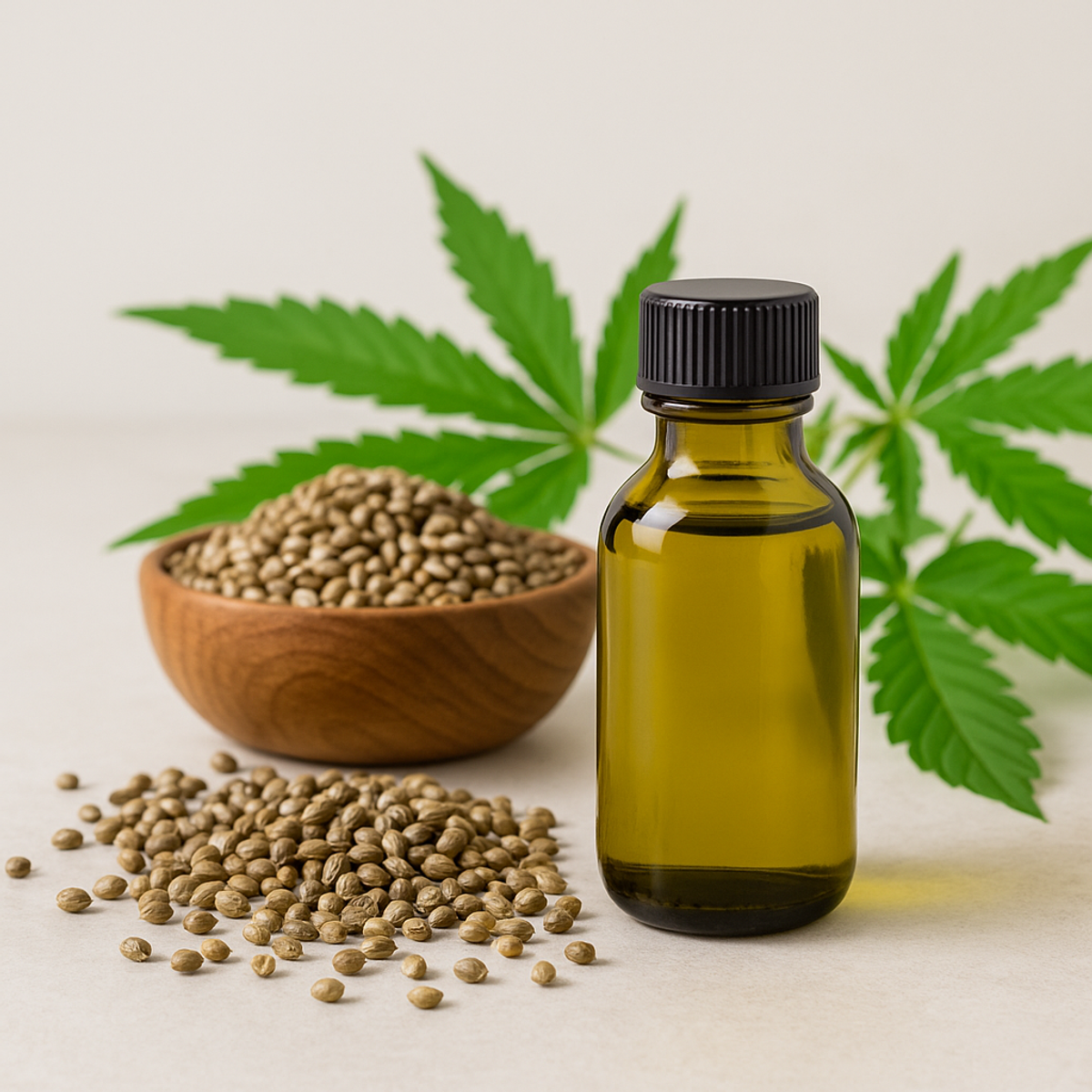
The Top Benefits of Hemp Seed Oil in 2025: How to Use It Safely and Effectively
Hemp seed oil has become one of the most talked-about plant oils in the wellness space. Packed with nutrients, essential fatty acids, and skin-supporting compounds, this cold-pressed oil is used in everything from supplements to skincare to cooking. But what exactly makes hemp seed oil so beneficial—and how do you use it correctly?
This guide breaks down the science, the benefits, and practical ways to incorporate hemp seed oil into your daily routine safely and effectively.
What Exactly Is Hemp Seed Oil?
Hemp seed oil is created by cold-pressing the seeds of the hemp plant (Cannabis sativa). Unlike CBD oil, hemp seed oil contains no cannabinoids—meaning no CBD, no THC, and no psychoactive effects.
Instead, hemp seed oil is valued for its nutrition, particularly its rich balance of:
- Omega-3 fatty acids
- Omega-6 fatty acids
- Gamma-linolenic acid (GLA)
- Vitamins A, E, and antioxidants
In 2025, hemp seed oil is legally recognized as a food ingredient in the U.S. and widely used in health foods, supplements, and topical skincare.
Top Benefits of Hemp Seed Oil
1. Supports Skin Hydration and Barrier Health
Hemp seed oil is naturally rich in omega-6 fatty acids and antioxidants, both essential for maintaining a healthy moisture barrier. This makes it a popular ingredient in:
- Moisturizers
- Facial oils
- Body creams
- Balms for dry or irritated skin
Hemp seed oil absorbs quickly, making it suitable for daily use and all skin types—especially dry or sensitive skin.
2. Promotes Heart and Cardiovascular Health
The omega-3 and omega-6 ratio in hemp seed oil is one of the most balanced found in any plant oil. Studies on dietary omegas suggest they help support:
- Healthy cholesterol levels
- Circulation
- Normal inflammatory response
- Overall cardiovascular wellness
Adding hemp seed oil to your diet (as advised by your doctor) may help support long-term heart health.
3. Supports Joint Comfort and Mobility
GLA (gamma-linolenic acid) is a rare fatty acid found naturally in hemp seed oil. Research shows GLA may help support:
- Joint flexibility
- Comfort during movement
- A balanced inflammatory response
This makes hemp seed oil a popular supplement for people looking to support aging joints.
4. Helps Support Hormonal Balance
Emerging evidence suggests that GLA may also support hormonal balance, particularly in women experiencing PMS-related discomfort. While research is still ongoing, hemp seed oil is often used as a plant-based option for general hormonal wellness.
5. Supports Hair Strength and Shine
When used topically, hemp seed oil can help improve the look and feel of hair by:
- Supporting moisture retention
- Softening strands
- Reducing frizz
- Strengthening brittle hair
It can be applied directly, mixed into conditioner, or used in hair masks.
How to Use Hemp Seed Oil (2025 Guide)
1. As a Daily Supplement
Use only food-grade hemp seed oil.
How to take it:
- 1–2 teaspoons daily
- Mix into smoothies, yogurt, or salad dressings
- Never heat on high (it breaks down beneficial fats)
Always check with your healthcare provider before starting any supplement, especially if you take prescription medications.
2. For Skincare
Hemp seed oil can be applied:
- Directly as a facial oil
- Mixed into moisturizers
- Used as a makeup remover
- Added to body lotion
Its non-comedogenic rating makes it suitable for acne-prone or sensitive skin.
3. For Haircare
Apply hemp seed oil:
- To damp hair as a leave-in treatment
- On dry ends for shine
- Mixed into conditioner for hydration
4. In Cooking
Hemp seed oil has a rich, nutty flavor perfect for:
- Drizzling over roasted vegetables
- Dressing salads
- Adding to dips or spreads
- Finishing soups or pastas
But—don’t fry with it. High heat destroys its nutrients.
Is Hemp Seed Oil the Same as CBD?
No. Hemp seed oil contains:
- No CBD
- No THC
- No psychoactive compounds
CBD oil is extracted from hemp flowers and leaves, not the seeds. Confusing the two is common, but reading labels makes it easy to tell them apart.
Key Takeaways
- Hemp seed oil is nutrient-dense, non-psychoactive, and legally recognized as safe for food and skincare.
- It supports heart health, skin hydration, joint comfort, hair strength, and general wellness.
- It can be used internally or externally.
- It is not the same as CBD oil.
- Always choose cold-pressed, unrefined hemp seed oil from reputable brands.
FAQs
Is hemp seed oil legal in the U.S. in 2025?
Yes. Hemp seed oil is fully legal as a food, cosmetic, and supplement ingredient.
Can hemp seed oil get you high?
No. It contains zero psychoactive compounds.
Does hemp seed oil have side effects?
Most people tolerate it well. If you have allergies, medical conditions, or take medications, consult a healthcare professional before use.
Is hemp seed oil safe for cooking?
Yes, but only at low temperatures. It should never be used for frying.
Can I take hemp seed oil daily?
Many people do. Speak with your doctor to determine the right amount for your health needs.