Cooking with Hemp in 2025: A Delicious, Nutritious Guide to Hemp Seeds, Oil, and Protein

Jonathan Sullivan
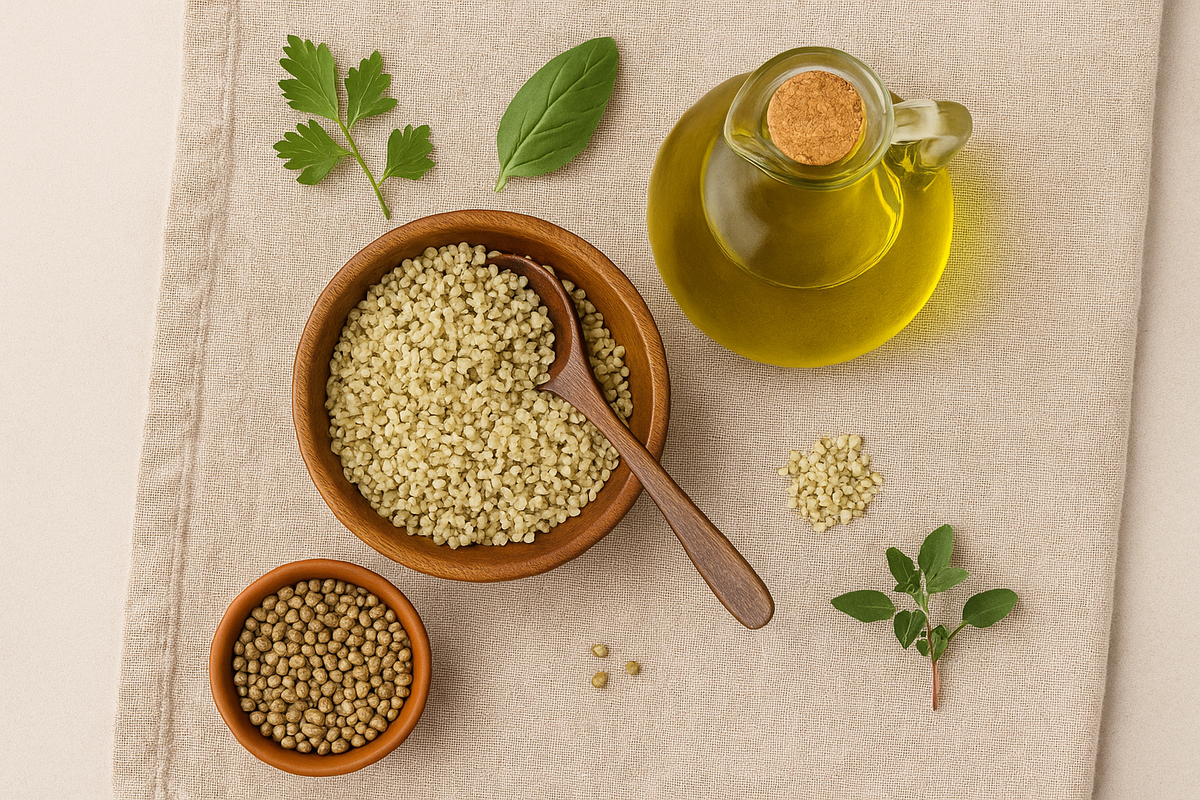
Cooking with Hemp in 2025: A Delicious, Nutritious Guide to Hemp Seeds, Oil, and Protein
Hemp has officially made its way from health stores to everyday kitchens, and for good reason. This nutrient-dense plant ingredient is more than a wellness trend—it's a flavorful, versatile addition to meals, snacks, and smoothies. Whether you’re sprinkling hemp hearts on yogurt or blending hemp protein into a post-workout shake, cooking with hemp is easier (and tastier!) than you might think.
In 2025, hemp remains fully legal as a food ingredient in the United States, making it a growing favorite among home cooks, nutritionists, and plant-based eaters. This guide will walk you through how to cook with hemp seeds, hemp oil, and hemp protein while keeping everything simple, affordable, and delicious.
Why Cook with Hemp? A Quick Overview
Hemp-based ingredients stand out because they offer nutritional power without complicated preparation.
Nutritional Highlights
Hemp foods are naturally rich in:
- Omega-3 and omega-6 fatty acids
- Complete plant protein (all 9 essential amino acids)
- Iron, magnesium, and essential minerals
- Fiber
- Antioxidants
Hemp seeds contain more protein per ounce than chia or flax, and hemp oil brings a mild nutty flavor perfect for cold dishes.
Cooking with hemp is not only healthy—it’s surprisingly easy.
Meet the Main Hemp Ingredients Used in Cooking
Here’s what you’ll find in most grocery stores or online:
1. Hemp Hearts (Shelled Hemp Seeds)
Soft, nutty, buttery seeds used in:
- Smoothies
- Salads
- Yogurt bowls
- Baking
- Granola mixes
2. Whole Hemp Seeds
These contain the hard outer shell.
Used for:
- Homemade hemp milk
- Crusting fish or chicken (if not plant-based)
- Roasting for snacks
3. Hemp Seed Oil
A cold-pressed culinary oil with a rich green tint and delicate nut flavor.
Best for:
- Dressings
- Finishing dishes
- Drizzling on veggies, pasta, or soups
- Dips or spreads
Note: Hemp oil should NOT be used for high-heat cooking.
4. Hemp Protein Powder
A plant-based protein option that blends well into:
- Smoothies
- Baked goods
- Pancakes
- Oatmeal
Earthy flavor, lightly nutty, high in fiber and minerals.
How to Add Hemp to Everyday Meals
1. Smoothies and Shakes
Hemp hearts and hemp protein are perfect smoothie boosters.
Try this simple formula:
- 2 tbsp hemp hearts
- 1 scoop hemp protein
- 1 banana
- 1 cup dairy-free milk
- 1 handful of spinach
Blend until smooth—creamy, mild, and nutrient-packed.
2. Salads, Bowls, and Veggie Dishes
Hemp hearts make an easy topping:
- Sprinkle on salads for a protein boost
- Mix into grain bowls
- Add to roasted vegetables
- Combine with avocado for a hemp “everything seasoning”
Hemp oil also makes a great dressing base:
Simple Hemp Oil Vinaigrette
- 2 tbsp hemp seed oil
- 1 tbsp olive oil
- 1 tbsp lemon juice or apple cider vinegar
- Salt + pepper
- Optional: honey or agave
Shake and pour over greens.
3. Baking with Hemp
You can bake with hemp without changing the flavor too much.
Use:
- Hemp protein in muffins and breads
- Hemp hearts in cookies, granola bars, or pancake batter
- Hemp oil in no-bake or low-heat recipes
Try adding 2–4 tablespoons of hemp hearts into batters for texture and nutrients.
4. Homemade Hemp Milk
A creamy, dairy-free alternative.
Basic Hemp Milk Recipe
- 1 cup hemp hearts
- 4 cups water
- 1–2 dates or 1 tbsp sweetener
- Vanilla extract (optional)
Blend for 45 seconds. No straining needed!
5. Savory Cooking
Hemp shines in savory dishes too.
Try using hemp seeds as:
- A crust for baked tofu
- A topping for soups
- A mix-in for rice or quinoa
- A substitute for pine nuts in pesto
Hemp Seed Pesto Recipe
- 1 cup fresh basil
- 2 tbsp hemp seeds
- 1 garlic clove
- 1 tbsp hemp oil
- 1 tbsp olive oil
- Salt + pepper
Blend and toss with pasta or veggies.
Is Cooking with Hemp Legal in 2025?
Yes—hemp seeds, hemp hearts, hemp oil, and hemp protein remain fully legal as food products in the United States, as covered by the 2018 Farm Bill.
They contain no cannabinoids (no CBD, no THC).
They are GRAS-certified (Generally Recognized As Safe) for use in food.
Key Takeaways
- Hemp seeds and hemp oil are nutrient-dense, mild in flavor, and extremely versatile.
- Hemp oil should be used for low-heat or cold dishes.
- Hemp hearts can be added to almost anything—from smoothies to salads to baking.
- Hemp protein is an excellent plant-based protein source.
- Hemp foods are fully legal and widely available in 2025.
FAQs
Does hemp oil taste strong?
It has a mild nutty flavor—lighter than olive oil and great for cold dishes.
Can hemp foods make you high?
No. Hemp seeds and hemp oil contain no THC and no psychoactive compounds.
Is hemp protein good for building muscle?
Yes. It contains all essential amino acids and blends well into smoothies.
Can you fry with hemp oil?
No. It has a low smoke point and should only be used cold or at very low heat.
Is hemp safe for kids?
Hemp foods are generally safe, but always consult a pediatrician for dietary changes.