Hemp 101: Everything You Need to Know in 2025

Jonathan Sullivan
Hemp 101: Everything You Need to Know in 2025
Hemp has been called the plant of a thousand uses, and in 2025, it’s making headlines again. From eco-friendly clothing and building materials to CBD oils and pet products, hemp is becoming a cornerstone of the wellness and sustainability industries.
But what exactly is hemp? How is it different from marijuana? And why is it considered such a powerful plant for both health and the environment? Let’s explore the basics.
What Is Hemp?
Hemp is a variety of the Cannabis sativa plant, cultivated for thousands of years. Unlike marijuana, hemp is bred to contain very low levels of THC (the psychoactive compound that causes a “high”).
Key facts about hemp:
- 🌿 Contains less than 0.3% THC by law in the U.S.
- 🌱 Rich in CBD (cannabidiol), a non-intoxicating compound with wellness benefits.
- 🧵 Grown for fiber, seeds, and oil as well as health supplements.
- 🌎 Considered one of the most sustainable crops due to its fast growth and low water needs.
Hemp vs. Marijuana: The Key Differences
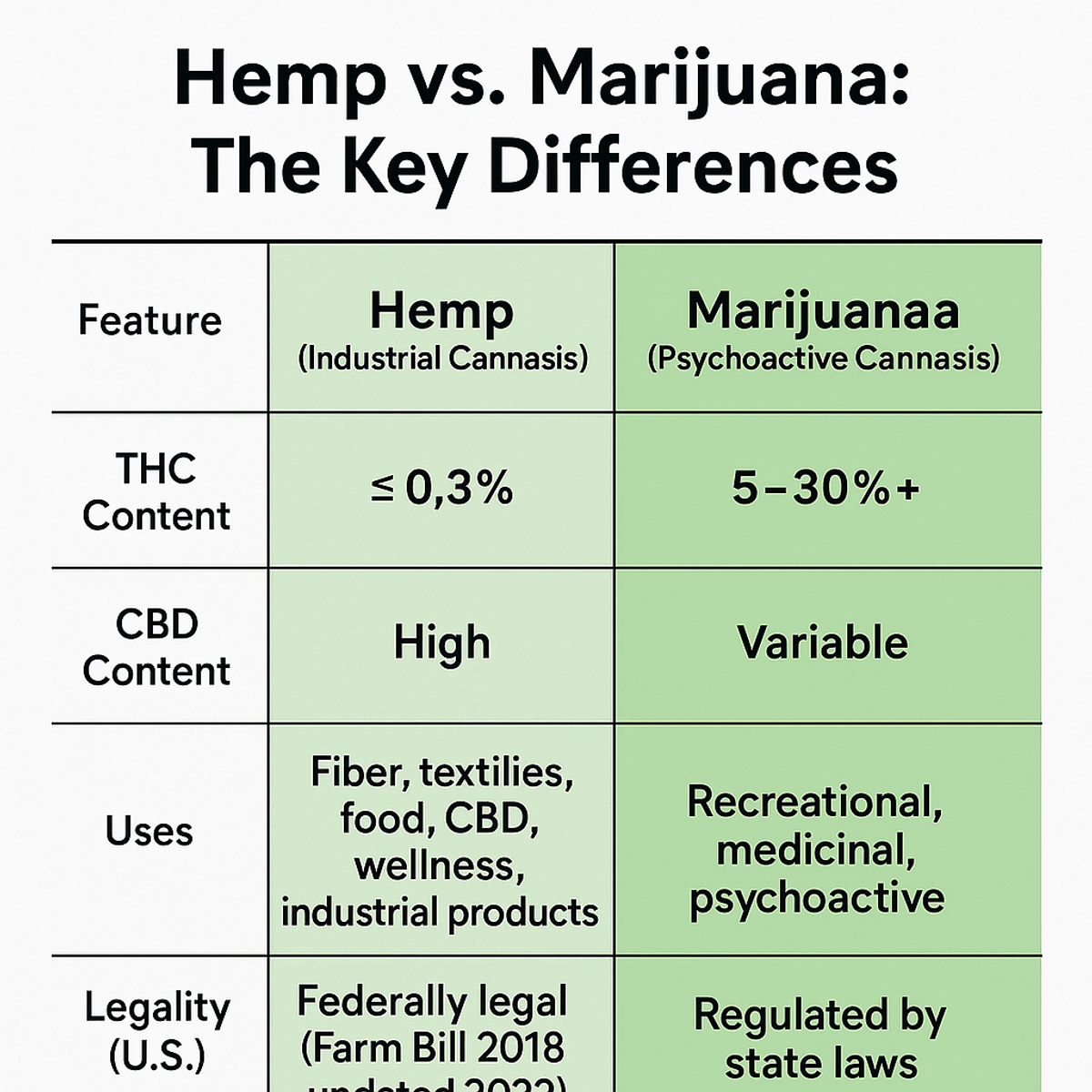
One of the biggest sources of confusion is hemp vs marijuana. Here’s the breakdown:
FeatureHemp (Industrial Cannabis)Marijuana (Psychoactive Cannabis)THC Content≤ 0.3%5–30%+CBD ContentHighVariableUsesFiber, textiles, food, CBD, wellness, industrial productsRecreational, medicinal, psychoactiveLegality (U.S.)Federally legal (Farm Bill 2018, updated 2023)Regulated by state laws
📌 Key takeaway: Hemp is cannabis, but not the kind that gets you high.
The Many Uses of Hemp
Hemp is incredibly versatile—every part of the plant can be used.
Wellness & Nutrition
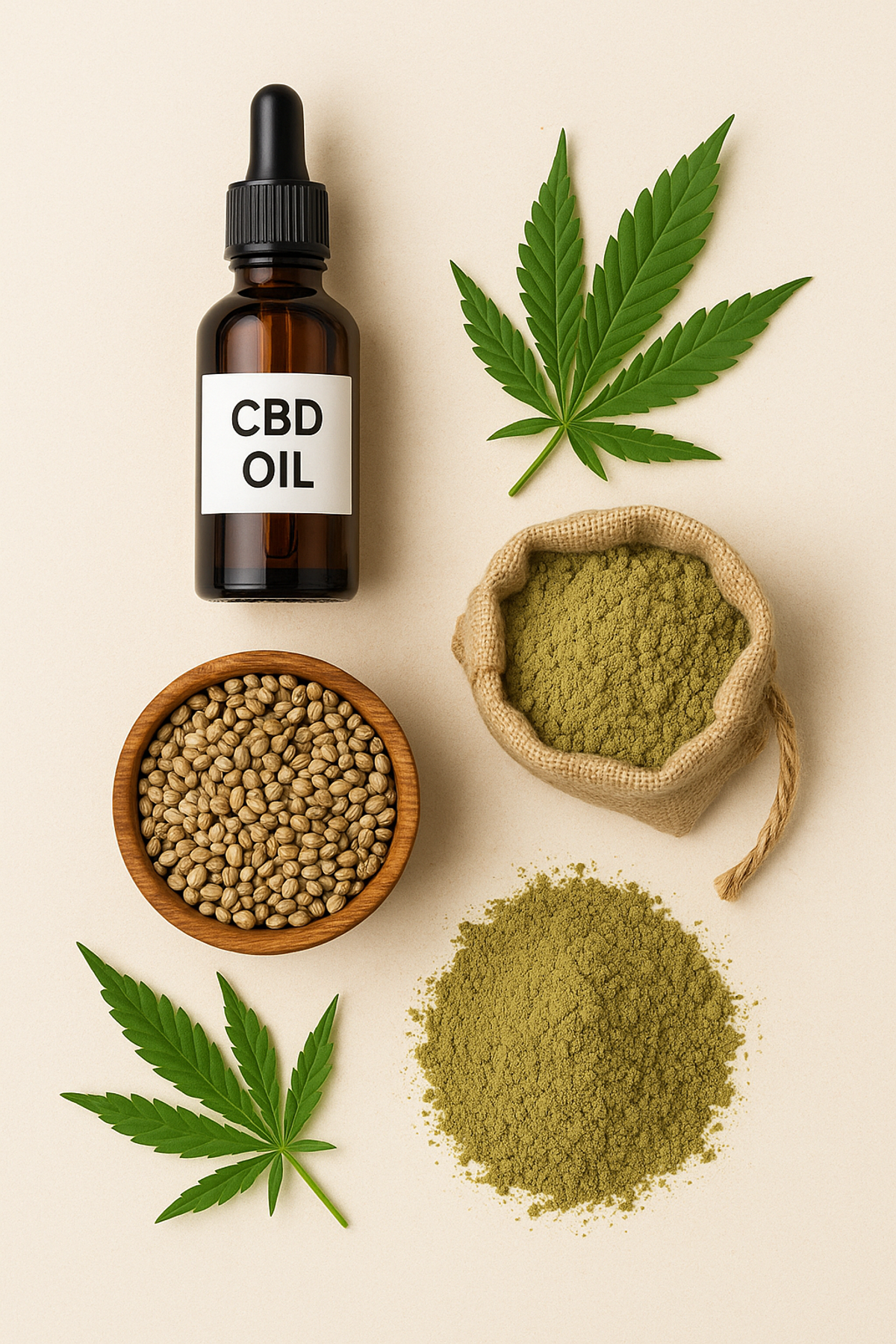
- CBD oil – for relaxation, pain support, and anxiety.
- Hemp seeds – rich in protein, omega-3s, and essential amino acids.
- Hemp protein powder – plant-based nutrition for athletes.
Industrial & Environmental Uses
- Hemp fiber – used in clothing, rope, paper, and even bio-composites.
- Hempcrete – a sustainable alternative to concrete.
- Bioplastics – biodegradable plastics made from hemp cellulose.
Hemp and Sustainability
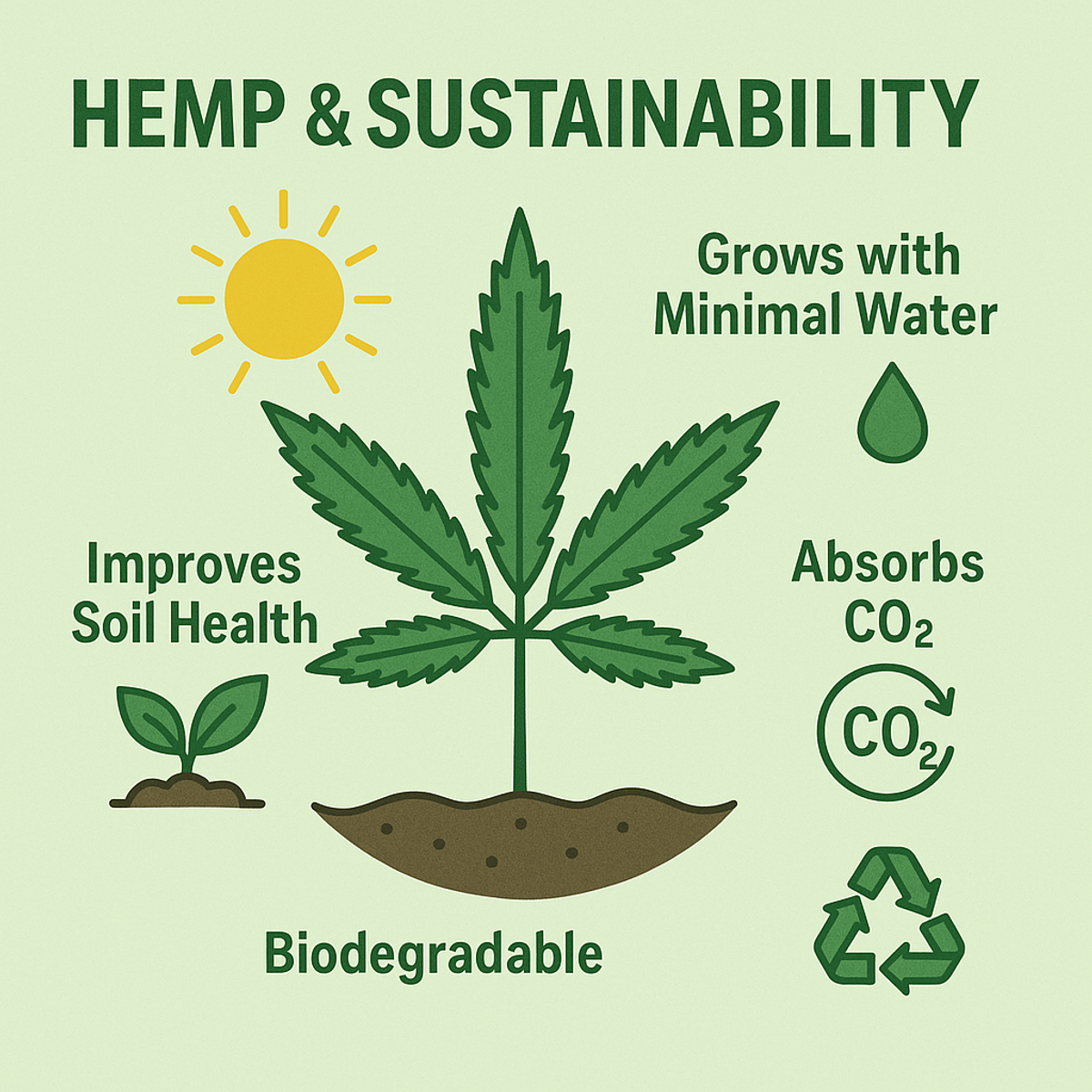
Hemp is often hailed as a climate-friendly crop. Here’s why:
- 🌱 Absorbs CO₂ efficiently – one acre of hemp can absorb as much CO₂ as an acre of forest.
- 🚰 Uses less water – requires far less than cotton or corn.
- 🌍 Improves soil health – deep roots prevent erosion and can detoxify soil.
- 🔄 Fast growth cycle – grows in as little as 3–4 months.
🌿 Hemp may play a critical role in sustainable farming and green industries by 2030.
Is Hemp Legal in 2025?
Yes—with conditions.
- United States: Thanks to the 2018 Farm Bill (and 2023 updates), hemp cultivation is federally legal as long as THC remains under 0.3%.
- FDA stance: Still cautious about CBD in food/drinks but permits supplements.
- Global outlook: Many countries (Canada, EU, Australia) now permit hemp farming with strict THC limits.
Common Hemp Myths
❌ Hemp is the same as marijuana.
✅ False. Hemp has minimal THC and won’t cause intoxication.
❌ Hemp is only for making rope.
✅ False. Hemp is now used in wellness, clothing, construction, and even car manufacturing.
❌ Hemp is new.
✅ False. Hemp has been cultivated for over 10,000 years—from ancient China to colonial America.
FAQs: Hemp 101
Q: Can hemp get you high?
A: No. With less than 0.3% THC, hemp cannot produce a psychoactive effect.
Q: Is hemp the same as CBD?
A: Not exactly. Hemp is the plant, while CBD is one of the many compounds found in hemp.
Q: Can I grow hemp at home?
A: Depends on your state laws. Some states allow licensed cultivation, but it’s regulated.
Q: Why is hemp considered “sustainable”?
A: Because it grows fast, uses little water, improves soil, and can replace plastics and cotton.