Sustainability in Hemp – A Green Crop for a Greener Future

Jonathan Sullivan
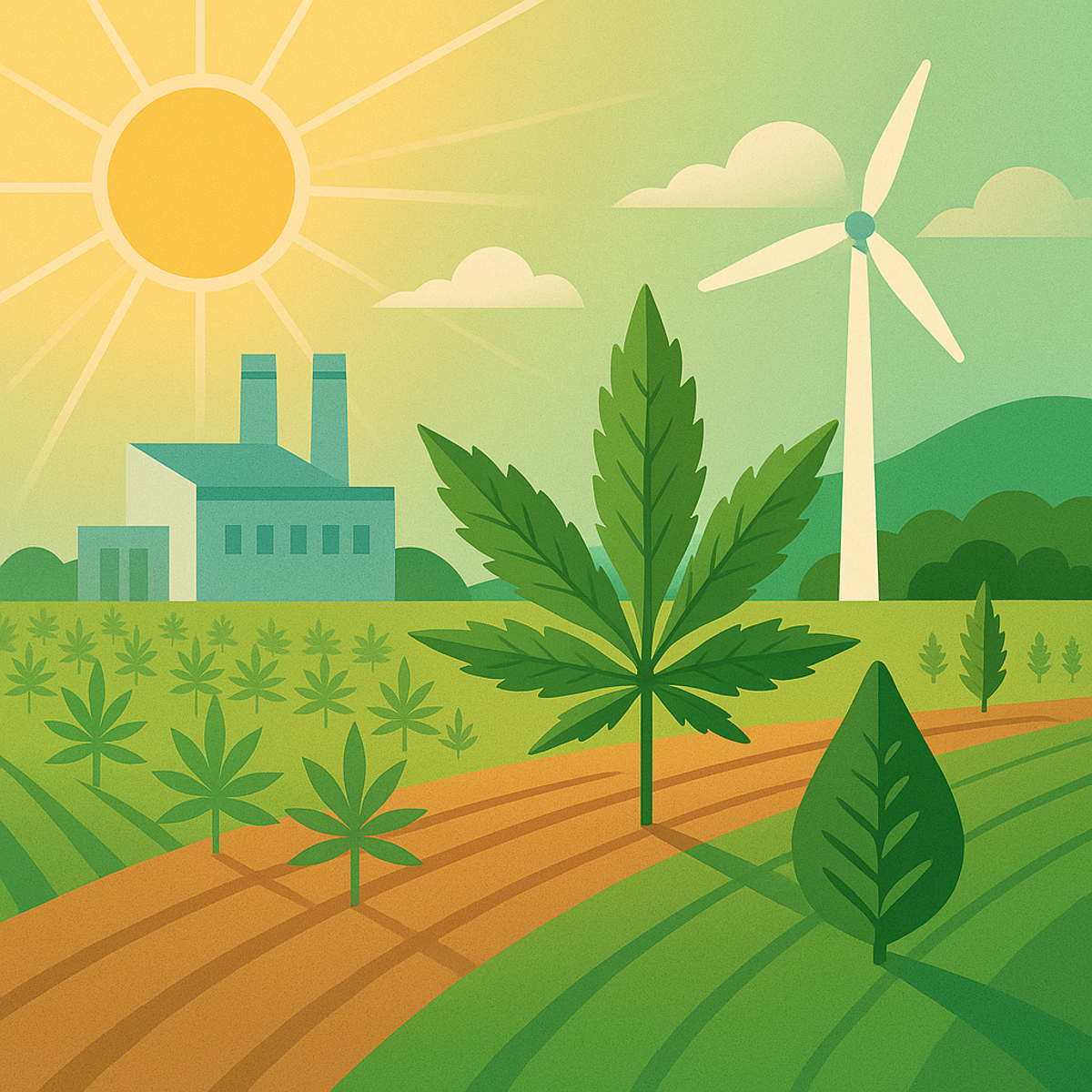
Sustainability is more than a buzzword—it's a necessity for a world grappling with climate change and resource depletion. Hemp offers compelling environmental advantages, from improving soil to providing low‑carbon building materials. This guide examines the science behind hemp’s sustainability credentials and its promise for a greener future.
Fast growth and low inputs
Hemp is a hardy crop that thrives with minimal pesticides and fertilizers. Its natural pest resistance reduces the need for chemical inputs, making it ideal for organic farming systems. Hemp’s rapid growth—it can mature in just four months—allows farmers to harvest large amounts of biomass quickly, maximizing land use efficiency.
Soil health and erosion control
Hemp’s deep taproots penetrate compacted soils, helping to break up hard layers and improve water infiltration. These roots also anchor soil, reducing erosion and runoff. After harvest, leftover biomass can be incorporated into fields as green manure, adding organic matter and nutrients that support subsequent crops.
Hemp can also function as a cover crop in regenerative rotations, suppressing weeds and providing habitat for beneficial insects. Some research suggests hemp may assist phytoremediation by absorbing heavy metals from contaminated soils.
Carbon sequestration and climate impact
Hemp captures carbon from the atmosphere at a remarkable rate. Each ton of hemp cultivated can remove about 1.63 tons of carbon dioxide.
Because hemp grows so rapidly, it sequesters more carbon per acre than many trees. Beyond the field, hemp-derived products continue to store carbon. Hempcrete—a building material made from hemp hurd and lime—locks carbon into walls and continues absorbing CO2 as lime cures.
Sustainable products and industries
Bioplastics: Hemp fibers reinforce biodegradable plastics, reducing reliance on petroleum-based materials. Hemp bioplastics are used in car parts, packaging and consumer goods.
Textiles: Hemp fabric is durable and naturally antimicrobial. It requires less water than cotton and can be blended with other fibers to create sustainable clothing and home goods.
Hempcrete and construction: Hempcrete panels and blocks offer a lightweight, insulating alternative to traditional concrete. They are fire-resistant and carbon-negative during curing.
Biofuels: Hemp seeds and stalks can be processed into biofuels such as biodiesel and ethanol. While commercial production remains limited, hemp’s high biomass yield makes it a promising candidate for renewable energy.
Challenges and future potential
Despite its benefits, hemp faces challenges. Historical stigma and regulatory uncertainty have limited research and investment. Farmers need access to certified seeds, processing infrastructure and stable markets. However, as more states recognize hemp’s economic and environmental potential, investments are increasing. Improved breeding programs could yield varieties optimized for fiber, grain or cannabinoid production while retaining sustainability traits.
Looking ahead, hemp could become a cornerstone of regenerative agriculture and a source of sustainable biomaterials. By integrating hemp into crop rotations, farmers can restore soil health while producing versatile raw materials for textiles, construction and bioenergy.
Key takeaways
- Hemp grows quickly, requires few pesticides and improves soil structure.
- Its deep roots prevent soil erosion and support water retention.
- Hemp can sequester significant amounts of carbon and store it in long-lasting products.
- Sustainable hemp industries include textiles, bioplastics, hempcrete and biofuels.
FAQs
Is hemp better for the environment than cotton? Hemp typically uses less water, fewer pesticides and yields more fiber per acre than cotton. Its fibers are strong and naturally resistant to pests. However, cotton has a larger established industry and softer feel; blending hemp with cotton can provide the best of both worlds.
Can hemp remediate contaminated soils? Research suggests hemp can absorb heavy metals and pollutants from soil. This phytoremediation potential makes hemp an interesting option for cleaning up brownfields, though proper disposal of contaminated biomass is required.
Does hemp require irrigation? Hemp is drought tolerant but still needs water to produce high yields. The amount depends on climate and soil type. In some regions, rainfed hemp performs well; in others, supplemental irrigation may be necessary.